

Fourphase Completes Industry-First Remote Solids Management Project Industry
FourPhase has successfully concluded an industry-first remote solids management project for AkerBP in the North Sea. The two-month programme, which began on 31 July 2025, marks a significant milestone for offshore operational efficiency, safety and sustainability.
This project is the first of its kind in intervention operations, and it saw FourPhase manage all solids handling during a coiled tubing cleanout of two wells with chalk bridges. The intervention was carried out to prepare the wells for final stimulation, with FourPhase removing approximately 2.8 tonnes of solids. Without the cleanout, AkerBP would have faced the prospect of two shut-in wells and substantial lost revenue.
Remote operations: A new way of working
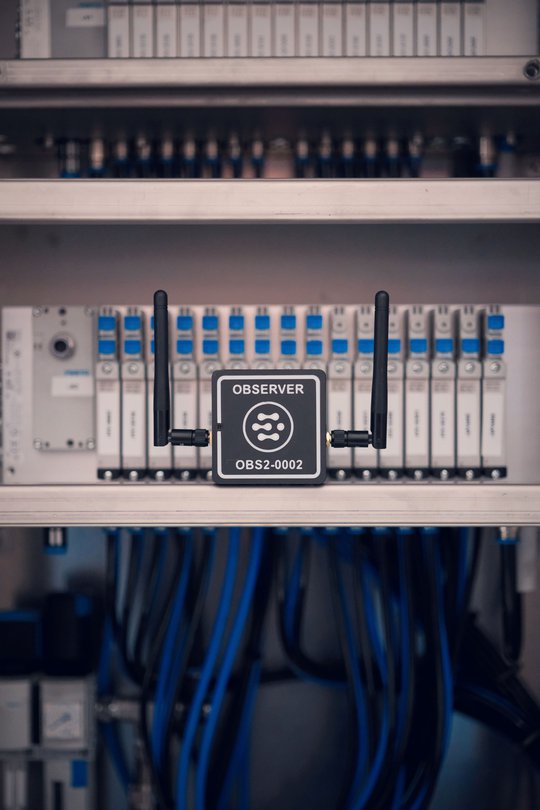
FourPhase supplied the full solids management package, including their Observer technology, multiphase flow metering and dual-flow technology. By handling all well returns topside, the company ensured safe, continuous monitoring of solids and fluid flows.
But what made this project a turning point was the fact it was controlled remotely from onshore. FourPhase integrated directly into AkerBP’s Stavanger control centre, using its Observer platform to provide live monitoring and system operation from the operator’s own facility.
The relocation of control onshore means fewer personnel is required offshore. Following its success, the offshore presence can be reduced to one person per shift, and that one person can supervise multiple operations simultaneously. Down the line, this will turn into fully remote operations where only maintenance work will require offshore staff.
Planning and reassurance
The successful eight-week project was the product of extensive preparation. FourPhase worked closely with AkerBP for months in advance, including gaining access to the operator’s control centre. Data security was a central concern, but FourPhase’s safety features and robust cybersecurity safeguards provided the reassurance needed to move forward.
The planning paid off as the project ran seamlessly from start to finish with no significant errors. The feedback from AkerBP and SLB, who led the coiled tubing cleanout, was uniformly positive
This project is the first of its kind in intervention operations, and it saw FourPhase manage all solids handling during a coiled tubing cleanout of two wells with chalk bridges. The intervention was carried out to prepare the wells for final stimulation, with FourPhase removing approximately 2.8 tonnes of solids. Without the cleanout, AkerBP would have faced the prospect of two shut-in wells and substantial lost revenue.
Remote operations: A new way of working
FourPhase supplied the full solids management package, including their Observer technology, multiphase flow metering and dual-flow technology. By handling all well returns topside, the company ensured safe, continuous monitoring of solids and fluid flows.
But what made this project a turning point was the fact it was controlled remotely from onshore. FourPhase integrated directly into AkerBP’s Stavanger control centre, using its Observer platform to provide live monitoring and system operation from the operator’s own facility.
The relocation of control onshore means fewer personnel is required offshore. Following its success, the offshore presence can be reduced to one person per shift, and that one person can supervise multiple operations simultaneously. Down the line, this will turn into fully remote operations where only maintenance work will require offshore staff.
Planning and reassurance
The successful eight-week project was the product of extensive preparation. FourPhase worked closely with AkerBP for months in advance, including gaining access to the operator’s control centre. Data security was a central concern, but FourPhase’s safety features and robust cybersecurity safeguards provided the reassurance needed to move forward.
The planning paid off as the project ran seamlessly from start to finish with no significant errors. The feedback from AkerBP and SLB, who led the coiled tubing cleanout, was uniformly positive
Why remote matters now
The timing could not be more relevant as AkerBP’s digital transformation focus intertwines with an expected increase in intervention work in the coming two years. And because offshore facilities have limited space and resources to accommodate the growing demand, remote operations will be favoured going forward. Mainly because it allows a single supervisor to oversee multiple interventions and production activities simultaneously from onshore, reducing POB, lowering logistics costs and minimising the environmental footprint.
For personnel, the benefits are also clear. Fewer offshore deployments mean reduced exposure to hazardous environments. For operators, remote operations create a pathway to more simultaneous work without the need to expand offshore headcount.
From pilot to standard practice
FourPhase has been adapting its technology and solutions toward remote operations since 2018, investing heavily in robust equipment and forward-thinking design. This project represents the progression of that strategy. By proving remote solids management in live intervention conditions, FourPhase and AkerBP have created a practical model and baseline for the industry to follow. The success of the pilot shows that remote operations are ready to be scaled across future campaigns.
With more intervention work on the horizon and increasing demand for efficiency, safety and sustainability, the conclusion of this eight-week project demonstrates how collaboration, preparation and digital innovation can reshape offshore operations for the better. The results show that the future of remote solids management is reliable, efficient and here today.
The timing could not be more relevant as AkerBP’s digital transformation focus intertwines with an expected increase in intervention work in the coming two years. And because offshore facilities have limited space and resources to accommodate the growing demand, remote operations will be favoured going forward. Mainly because it allows a single supervisor to oversee multiple interventions and production activities simultaneously from onshore, reducing POB, lowering logistics costs and minimising the environmental footprint.
For personnel, the benefits are also clear. Fewer offshore deployments mean reduced exposure to hazardous environments. For operators, remote operations create a pathway to more simultaneous work without the need to expand offshore headcount.
From pilot to standard practice
FourPhase has been adapting its technology and solutions toward remote operations since 2018, investing heavily in robust equipment and forward-thinking design. This project represents the progression of that strategy. By proving remote solids management in live intervention conditions, FourPhase and AkerBP have created a practical model and baseline for the industry to follow. The success of the pilot shows that remote operations are ready to be scaled across future campaigns.
With more intervention work on the horizon and increasing demand for efficiency, safety and sustainability, the conclusion of this eight-week project demonstrates how collaboration, preparation and digital innovation can reshape offshore operations for the better. The results show that the future of remote solids management is reliable, efficient and here today.
Get in touch