

Managing risk and boosting production on sand producing assets with the DualFlow desander
The production of solids is an unavoidable by-product in oil and gas wells. Impacting 70% of fields globally, they are one of the key operational concerns. When solids are produced out of the reservoir, they adversely affect Health, Safety, and Environmental (HSE) standards, production rates, and asset integrity. To address these risks, FourPhase advocates for a proactive, continuous sand management strategy.
Our proprietary technology, the DualFlow, plays a key role in creating safer and more efficient offshore operations, which we will discuss in this article. These benefits are further enhanced by the recent introduction of The Observer, a real-time data capture tool designed to boost decision -making quality.
By installing the DualFlow system on a well, solids can be continuously separated. This ensures uninterrupted production and eliminates the need to choke back the well.
The resulting impact is a significant increase in production, leading to tangible financial benefits.
Our proprietary technology, the DualFlow, plays a key role in creating safer and more efficient offshore operations, which we will discuss in this article. These benefits are further enhanced by the recent introduction of The Observer, a real-time data capture tool designed to boost decision -making quality.
By installing the DualFlow system on a well, solids can be continuously separated. This ensures uninterrupted production and eliminates the need to choke back the well.
The resulting impact is a significant increase in production, leading to tangible financial benefits.
What are the risks caused by solids in a well ?
Integrity issues
Erosion of pipes, valves and instrumentation is a major concern for operators offshore. This is primarily driven by the presence of solids in the well. Equipment damage, and the risks of potential leaks, are the main concerns due to the associated costs and potential environmental damage.
The DualFlow technology directly addresses integrity challenges by separating solids down to 20µm with 99.8% efficiency. Solids, being inherently erosive, can cause significant damage to production facilities and downstream infrastructure. By removing solids upstream of the separator, the following benefits are unlocked:
• Mechanical wear is minimised
• Safer operations are guaranteed
• Maintenance costs are reduced
• The need for costly replacements is prevented
By safely separating solids from the well, the threat of erosion is reduced, ensuring well production is optimised and reliable.
Financial risks
Without a sand management plan, once sand is being produced, wells are typically shut in. This situation immediately starts to incurring costs for the operator. For example, restarting a well requires tests to assess sand production, and with an (estimated) USD $100 per barrel cost at 1,000 barrels a day, a single shut-in could cost an operator approximately USD $100,000. These financial risks highlight the need for an effective solids management strategy.
A recent example of this in action is in the UK North Sea. A large operator was experiencing issues with erosion due to sand production above acceptable levels from a well. To mitigate this, and reduce risk, FourPhase installed a closed-loop sand management system consisting of a DualFlow, 2x SSV and 2x solids tanks. A flowback operation was planned as a solution. The results saw continuous production worth $2.6M/month maintained thanks to the approach.
LINK to case study: Efficient sand removal | Well revenue increased - Fourphase
Erosion of pipes, valves and instrumentation is a major concern for operators offshore. This is primarily driven by the presence of solids in the well. Equipment damage, and the risks of potential leaks, are the main concerns due to the associated costs and potential environmental damage.
The DualFlow technology directly addresses integrity challenges by separating solids down to 20µm with 99.8% efficiency. Solids, being inherently erosive, can cause significant damage to production facilities and downstream infrastructure. By removing solids upstream of the separator, the following benefits are unlocked:
• Mechanical wear is minimised
• Safer operations are guaranteed
• Maintenance costs are reduced
• The need for costly replacements is prevented
By safely separating solids from the well, the threat of erosion is reduced, ensuring well production is optimised and reliable.
Financial risks
Without a sand management plan, once sand is being produced, wells are typically shut in. This situation immediately starts to incurring costs for the operator. For example, restarting a well requires tests to assess sand production, and with an (estimated) USD $100 per barrel cost at 1,000 barrels a day, a single shut-in could cost an operator approximately USD $100,000. These financial risks highlight the need for an effective solids management strategy.
A recent example of this in action is in the UK North Sea. A large operator was experiencing issues with erosion due to sand production above acceptable levels from a well. To mitigate this, and reduce risk, FourPhase installed a closed-loop sand management system consisting of a DualFlow, 2x SSV and 2x solids tanks. A flowback operation was planned as a solution. The results saw continuous production worth $2.6M/month maintained thanks to the approach.
LINK to case study: Efficient sand removal | Well revenue increased - Fourphase
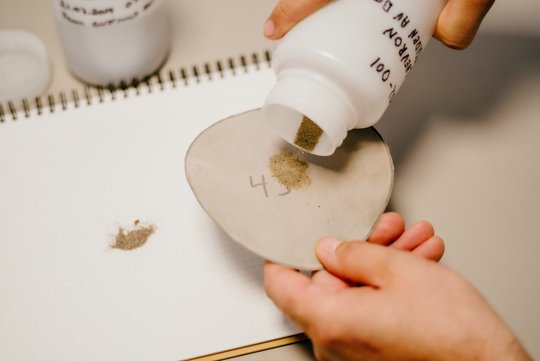
How can a solids management strategy improve HSE offshore?
Safety is the number one priority offshore, and there are two specific risks that the DualFlow tackles.
Elevating Safety with Automation
A key element of the DualFlow is that it reduce the need for manual operation. By doing this, it cuts out time-consuming, mundane tasks. With interlocking, automated valves, operators can focus on what matters—production optimisation. Sensors combined with software also forecast maintenance needs, preventing unexpected downtime. All of this is focused on creating a ‘safer environment offshore’.
Eliminating Hazardous Exposure
The risks also change depending on the geographic region where operations take place. Typically, the carbonate reservoirs in the Middle East result in increased exposure to Naturally Occurring Radioactive Material (NORM) for operators while milling scale. While in the North Sea our closed loop system is mainly used to avoid exposure to H2S and Benzene. The traditional approach to removing these hazardous materials, which involved manual labour, meant that workers were at risk. With its closed-loop design, the DualFlow allows 100% hands-free solids removal.
Elevating Safety with Automation
A key element of the DualFlow is that it reduce the need for manual operation. By doing this, it cuts out time-consuming, mundane tasks. With interlocking, automated valves, operators can focus on what matters—production optimisation. Sensors combined with software also forecast maintenance needs, preventing unexpected downtime. All of this is focused on creating a ‘safer environment offshore’.
Eliminating Hazardous Exposure
The risks also change depending on the geographic region where operations take place. Typically, the carbonate reservoirs in the Middle East result in increased exposure to Naturally Occurring Radioactive Material (NORM) for operators while milling scale. While in the North Sea our closed loop system is mainly used to avoid exposure to H2S and Benzene. The traditional approach to removing these hazardous materials, which involved manual labour, meant that workers were at risk. With its closed-loop design, the DualFlow allows 100% hands-free solids removal.
How does better data impact a solids management strategy?
In the past, samples from a sand trap together with acoustic sensors would inform operators whether sand was being produced or not. However, the exact volume was left unknown. The results were largely dependent on several variables such as the time the measurement was taken, location etc. The final image can therefore be likened to a low-resolution image – providing an overview of the situation but being vague on details.
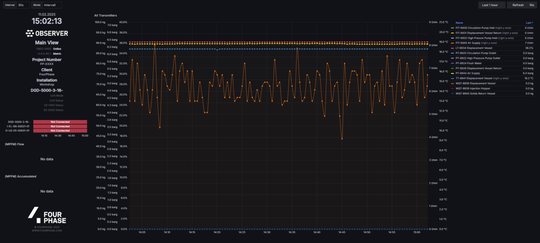
In comparison, today’s approach with The DualFlow together with The Observer ensures a continuous measurement providing a high-quality, accurate picture of sand production in the well. The Observer de-risks sand production because it changes a still image into a real-time live action movie. This provides higher quality, more valuable information and data. Allowing for better decisions to be made.
In comparison, today’s approach with The DualFlow together with The Observer ensures a continuous measurement providing a high-quality, accurate picture of sand production in the well. The Observer de-risks sand production because it changes a still image into a real-time live action movie. This provides higher quality, more valuable information and data. Allowing for better decisions to be made.
Read more about the FourPhase Observer data services here
Can a solids management strategy mitigate operator risk?
A solids management strategy helps mitigate operator risk. In a recent case in the Norwegian North Sea, a customer faced continuous reinjection pump failures, causing field shutdowns and lost production. Installing a DualFlow desander downstream of the separator and upstream of the reinjection pumps allowed for jetting to move solids to the desander, resolving the issue.
This approach removed risk in several ways:
• There was continuous flow without downtime or loss of income due to solids in the reinjection pumps
• Minimal personnel were needed offshore
• No confined space entry into the separator was required
• With real-time measuring of solids, the customer can now better understand the solids production from the well. This will now allow for production to be optimised.
Link to case study:
Maintaining production | DualFlow desander - Fourphase
This approach removed risk in several ways:
• There was continuous flow without downtime or loss of income due to solids in the reinjection pumps
• Minimal personnel were needed offshore
• No confined space entry into the separator was required
• With real-time measuring of solids, the customer can now better understand the solids production from the well. This will now allow for production to be optimised.
Link to case study:
Maintaining production | DualFlow desander - Fourphase