

Redefining Real-Time Monitoring
Delays in real-time monitoring can have severe operational consequences. In one North Sea operation, a competitor's monitoring system suffered a minute-long delay in detecting excessive sand production. This resulted in sand accumulation in the desander, leading to overflow and downstream equipment damage. The consequence? An unplanned shutdown lasting several days, costing millions in deferred production and emergency repairs. With The Observer™, operators receive instant alerts, allowing them to take corrective action in real-time, preventing costly downtime and equipment failure.
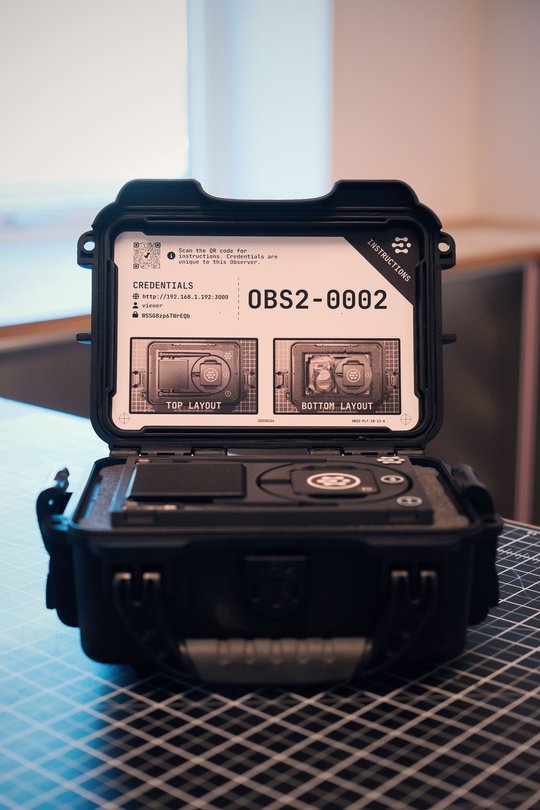
Unlike competing solutions that suffer from minute-long delays and cumbersome designs, The Observer™ delivers true real-time monitoring (millisecond delays) in a compact form factor—small enough to hold in one hand.
Unlike competing solutions that suffer from minute-long delays and cumbersome designs, The Observer™ delivers true real-time monitoring (millisecond delays) in a compact form factor—small enough to hold in one hand.
Introducing The Observer™: A Breakthrough in Remote Sand Management
In our efforts to optimise sand management operations, we have created The Observer™—an advanced real-time data capture and optimisation tool designed to automate sand management. This marks a major step towards fully remote monitoring and data-driven decision-making.
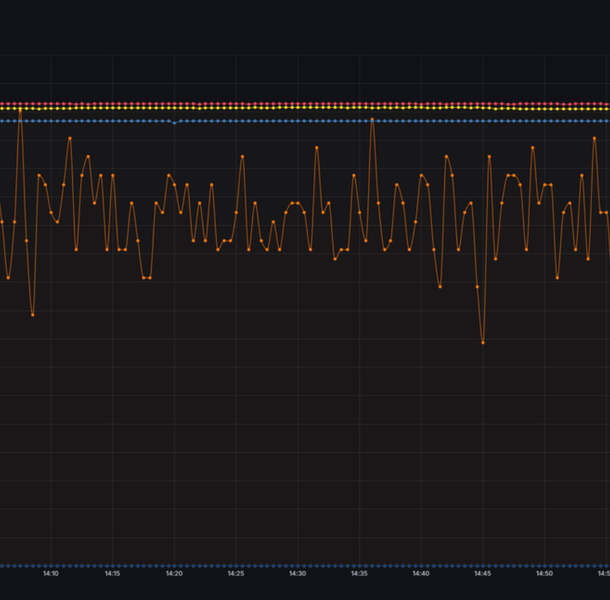
Through real-time data capture, the system generates a live operational display at FourPhase's operations centre while simultaneously feeding insights into online dashboards accessible to customers worldwide. This level of connectivity empowers operators with the intelligence needed to enhance efficiency and minimise costly operational disruptions. Our goal is to capture and process data instantly, giving operators real-time insights to make informed decisions.
The Observer has so far been deployed on five operations across the Gulf of Mexico and the Norwegian Continental Shelf, and is set to be rolled out across all FourPhase operations.
Through real-time data capture, the system generates a live operational display at FourPhase's operations centre while simultaneously feeding insights into online dashboards accessible to customers worldwide. This level of connectivity empowers operators with the intelligence needed to enhance efficiency and minimise costly operational disruptions. Our goal is to capture and process data instantly, giving operators real-time insights to make informed decisions.
The Observer has so far been deployed on five operations across the Gulf of Mexico and the Norwegian Continental Shelf, and is set to be rolled out across all FourPhase operations.
Making informed decisions
One of the key ideas behind The Observer is to be able to detect any faults or issues before they happen. By observing and relaying all data coming from the various equipment on the platform, it provides status updates as well as longer-term insights on aspects such as equipment maintenance and sand production from the well. By correlating sand production with other reservoir or well events, operators can improve their understanding of 4th phase (solids) and optimise hydrocarbon production.
A standout feature of The Observer™ is its ability to integrate with over 300 languages and protocols, ensuring seamless interoperability across diverse equipment. As the energy industry operates with multiple, often competing, data-sharing standards, we’ve developed The Observer™ as a universal solution that can process all data onboard a platform, no matter what language or protocol it uses. Whether it’s a Multiphase Flow Meter, the DualFlow Desander, Acoustic Sand Detectors, or customer platform data, the system captures and processes information in real time.
A standout feature of The Observer™ is its ability to integrate with over 300 languages and protocols, ensuring seamless interoperability across diverse equipment. As the energy industry operates with multiple, often competing, data-sharing standards, we’ve developed The Observer™ as a universal solution that can process all data onboard a platform, no matter what language or protocol it uses. Whether it’s a Multiphase Flow Meter, the DualFlow Desander, Acoustic Sand Detectors, or customer platform data, the system captures and processes information in real time.
Leveraging Decades of Data for Peak Performance
With over a decade of expertise in solids management, FourPhase has built an extensive database of operational insights. This wealth of real-world data has enabled the company to achieve uptime above 99.5% over the past 10 years. By leveraging this database, FourPhase can plan new operations based on proven field data rather than theoretical calculations, delivering more accurate and reliable results.
Managing data in modern oil and gas operations is like crafting a complex cocktail—each ingredient must be carefully balanced to achieve the desired outcome. Traditional monitoring systems rely on individual manufacturer recommendations, but these should not be trusted in isolation. Each piece of equipment introduces new variables that impact overall system performance, requiring continuous adjustments. The Observer™ overcomes this challenge by integrating over 300 languages and protocols, ensuring all data sources are harmonised in real-time. This means operators are not left relying on outdated or siloed information but can instead make informed decisions based on a comprehensive, real-time operational overview.
Managing data in modern oil and gas operations is like crafting a complex cocktail—each ingredient must be carefully balanced to achieve the desired outcome. Traditional monitoring systems rely on individual manufacturer recommendations, but these should not be trusted in isolation. Each piece of equipment introduces new variables that impact overall system performance, requiring continuous adjustments. The Observer™ overcomes this challenge by integrating over 300 languages and protocols, ensuring all data sources are harmonised in real-time. This means operators are not left relying on outdated or siloed information but can instead make informed decisions based on a comprehensive, real-time operational overview.
Security at the Core
Recognising the critical importance of cybersecurity in remote operations, The Observer™ is built on a zero-trust security model. Compliant with ISO 27001, 27017, and 27701 standards, it ensures a secure connection between offshore and onshore operations via Ethernet, Wi-Fi, Starlink or similar technologies. This fortified security framework not only protects sensitive data but also sets the blueprint for fully remote and unmanned operations. Coupled with onsite remote operations, these capabilities enable a step-change improvement in offshore sand management.

We still need good people
Fourphase’s differentiator is our sand management personnel, who are dedicated to monitoring our customers’ operations. They are Argus-eyed on the well and make assessments based on real time signals. At the moment, operators will still need Fourphase personnel to oversee operations and ensure effective sand management. Although The Observer is an incredibly important and effective step towards full automation, it’s important to remember it is just that – a step towards automation. Just like most cars are now automatically able to stay inside their lane – there are still a few more steps to take before we all sit in fully autonomous cars on the road.
When the observer detects a potential issue, it will instantly alert key personnel on the platform and onshore by sending SMS or desktop alerts, or even a call with voice message notifying the receiver of the issue that needs attention. This can be an isolated issue, or a combination of various factors that can form an issue as a collective.
When the observer detects a potential issue, it will instantly alert key personnel on the platform and onshore by sending SMS or desktop alerts, or even a call with voice message notifying the receiver of the issue that needs attention. This can be an isolated issue, or a combination of various factors that can form an issue as a collective.
A Future-Ready Approach to Sand Management
The need for remote sand management is pressing. As operators push for cost-cutting measures and reduced on-site personnel, traditional sand management methods, often reliant on labour-intensive inspections and manual interventions, are becoming less financially sustainable. The impact of inefficient sand management to the bottom line is significant, with production losses due to sand-related shutdowns costing operators millions annually.
While real-time monitoring is standard in many production processes, sand management has largely remained reliant on labour-intensive legacy workflows. This has posed a significant barrier to the adoption of autonomous platforms and low-manning concepts. By investing heavily in remote monitoring technology, FourPhase is bridging this gap, enabling comprehensive oversight of the entire fleet, including desanders.
As the industry moves towards increased automation and digitalisation, The Observer™ stands as a game-changer for solids management, setting a new benchmark for efficiency, security, and innovation. With this breakthrough technology, FourPhase continues to lead the charge towards a smarter, more autonomous future for sand management operations.
While real-time monitoring is standard in many production processes, sand management has largely remained reliant on labour-intensive legacy workflows. This has posed a significant barrier to the adoption of autonomous platforms and low-manning concepts. By investing heavily in remote monitoring technology, FourPhase is bridging this gap, enabling comprehensive oversight of the entire fleet, including desanders.
As the industry moves towards increased automation and digitalisation, The Observer™ stands as a game-changer for solids management, setting a new benchmark for efficiency, security, and innovation. With this breakthrough technology, FourPhase continues to lead the charge towards a smarter, more autonomous future for sand management operations.
Get in touch